

'Biotech Is Booming Worldwide'
For more than five years, the International Laboratory of Bioinformatics at the HSE Faculty of Computer Science has been advancing cutting-edge research. During this time, its scientists have achieved major breakthroughs, including the development of CARDIOLIFE—a unique genetic test unmatched worldwide that predicts the likelihood of cardiovascular disease. With the active participation of HSE students, including doctoral students, the team is also working on a new generation of medicines. In this interview with the HSE News Service, Laboratory Head Maria Poptsova shares insights into their work.

HSE University–St Petersburg Expands Partnership with Leading Vietnamese University
HSE University–St Petersburg welcomed a delegation from VNU University of Economics and Business (VNU-UEB). The visit took place in the framework of the year of Russian–Vietnamese relations.

HSE University and Children’s Oncology Centre Partner to Advance Scientific Research and Practice
HSE University and the Dmitry Rogachev National Medical Research Centre of Pediatric Hematology, Oncology and Immunology have signed an agreement on scientific and practical cooperation. The document was signed by Nikita Anisimov, HSE University Rector, and Nikolay Grachev, Director General of the Centre.

Technology Transfer on the Agenda of Chinese Universities
Vera Vishnyakova, Director of the Centre for Transfer and Management of Socio-Economic Information at HSE University, visited leading Chinese universities on a working trip to learn about their technology commercialization practices.

HSE University and MTS Join Forces to Combat Deepfakes and Train AI to Create Bespoke Video Content
HSE University and MTS Web Services (MWS) have announced the launch of a series of joint research initiatives in the field of artificial intelligence technologies. These efforts aim to develop innovative solutions in cybersecurity, multimodal content generation, and big data analysis. The project’s leading institution is the HSE Tikhonov Moscow Institute of Electronics and Mathematics (HSE MIEM), under the overall coordination of the HSE AI Research Centre.
Strategic Technological Projects Launched at HSE University
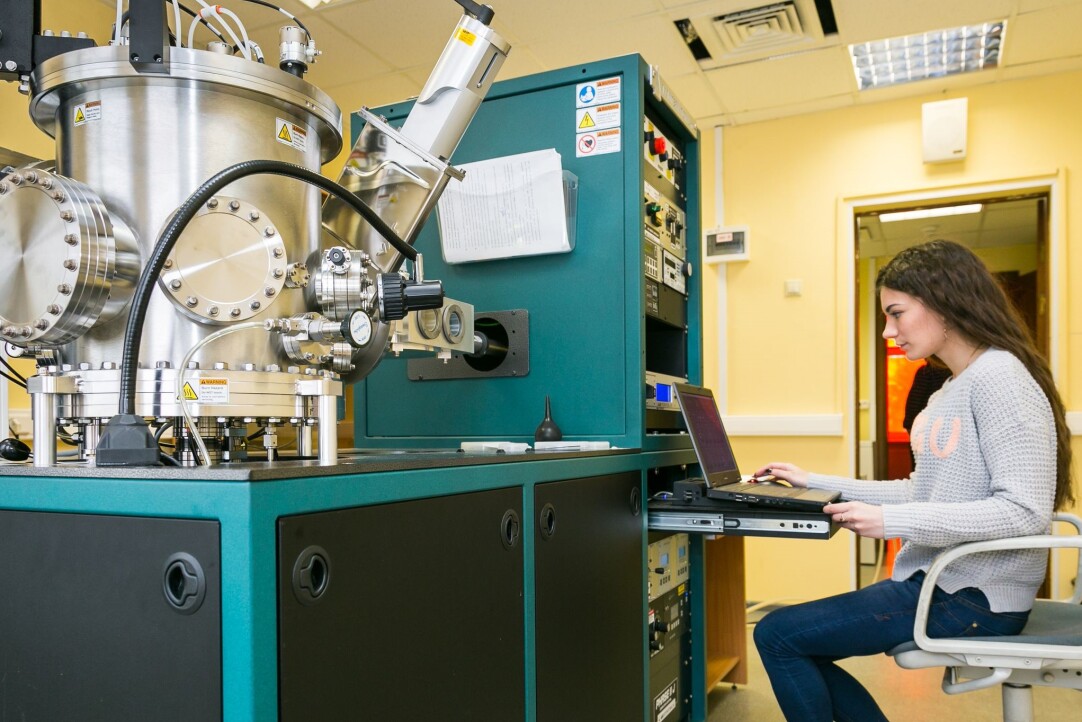
HSE University has launched a few strategic technological projects aimed at achieving the institution’s target development model. These projects focus on creating a portfolio of innovative products and services that fall under three key areas: socio-economic, science, and technology foresight, as well as 6G communication technologies and artificial intelligence.

HSE University Presents Smart Orthosis at Hope for Technology Forum
On July 10–11, 2025, Moscow hosted the 10th Hope for Technology National Forum of the Rehabilitation Industry and Universal Design. The event was aimed at discussing innovative achievements in the rehabilitation industry. The MIEM Student Design Bureau and the HSE Institute for Cognitive Neuroscience presented a smart orthosis, which was developed at the request of orthopedists.
‘Economic Growth Without the AI Factor Is No Longer Possible’
The International Summer Institute on AI in Education has opened in Shanghai. The event is organised by the HSE Institute of Education in partnership with East China Normal University (ECNU). More than 50 participants and key speakers from over ten countries across Asia, Europe, North and South America have gathered to discuss the use of AI technologies in education and beyond.

HSE University at VK Fest: A Journey into the Worlds of Technology, Design, and Space
HSE University will showcase cutting-edge innovations and educational opportunities at the anniversary edition of VK Fest 2025, Russia’s largest youth festival. Visitors can look forward to interactive workshops, VR exhibitions, AI-powered tech games, and even a chance to send a message into space.
Large Language Models No Longer Require Powerful Servers
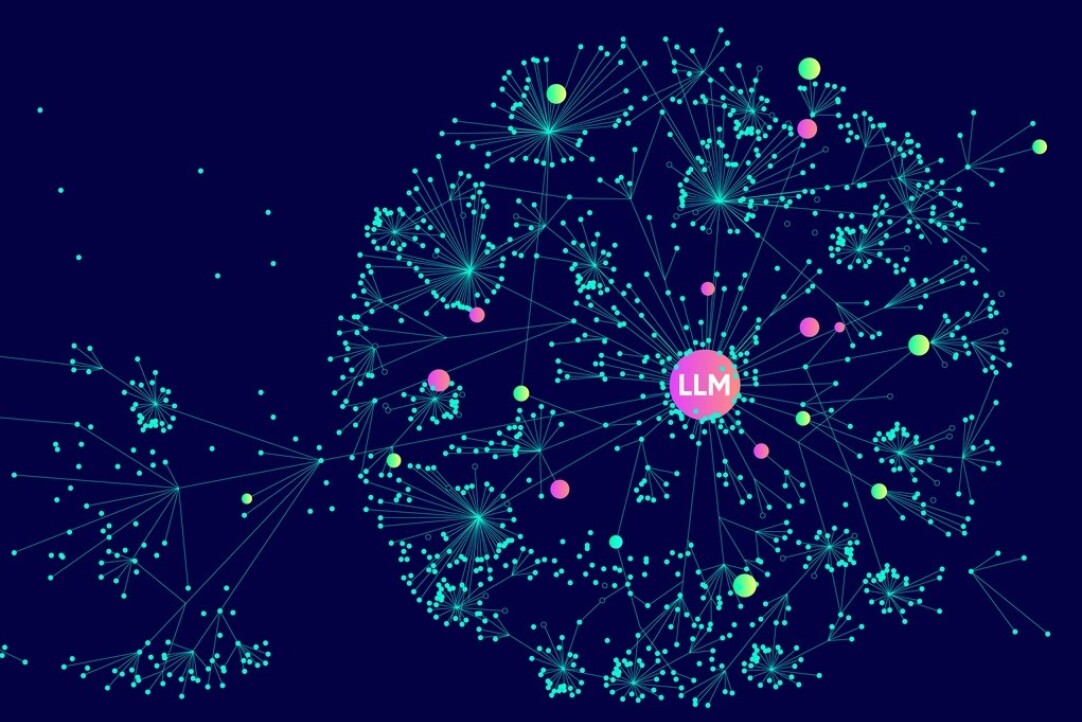
Scientists from Yandex, HSE University, MIT, KAUST, and ISTA have made a breakthrough in optimising LLMs. Yandex Research, in collaboration with leading science and technology universities, has developed a method for rapidly compressing large language models (LLMs) without compromising quality. Now, a smartphone or laptop is enough to work with LLMs—there's no need for expensive servers or high-powered GPUs.